


Nationwide On-Site OSHA Training for Employers (OSHA 10/30 + 29 CFR 1910/1926 Topic Training)
3P Safety delivers instructor-led OSHA training built for employers who need fast onboarding, stronger hazard recognition, and clean documentation. We support both General Industry (29 CFR 1910) and Construction (29 CFR 1926) training needs with programs tailored to your site conditions, job tasks, and internal safety policies—delivered on-site nationwide.
Nationwide On-Site OSHA Training for Employers General Industry (29 CFR 1910) and Construction (29 CFR 1926
Nationwide OSHA 1910/1926 On-Site Employer Jobsite-specific hazard coverage and employer policy alignment

Fall protection is rarely a “harness problem”—it’s a planning and supervision problem. This module focuses on the decisions that prevent incidents: selecting the right system for the work (restraint vs arrest), identifying acceptable anchorage, managing swing fall and clearance, and setting up simple pre-task checks that crews will actually follow. We also cover ladders, leading edges, roof work, and platform work (including how fall protection interacts with MEWPs). Where requested, we include a hands-on fit/inspection station and a short practical sign-off so supervisors can document competence beyond attendance..
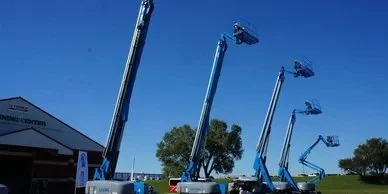
MEWP safety is about site planning as much as machine operation. We cover pre-use inspection, ground-condition evaluation, overhead hazards, exclusion zones, spotter expectations, and safe positioning—then address real-world failure modes such as pinch points, entanglement near structures, and unintended movement. For boom lifts, we include a selection of fall protection and guidance on preventing catapult-style ejection hazards. We add a documented operator evaluation that verifies control knowledge and safe operating habits.
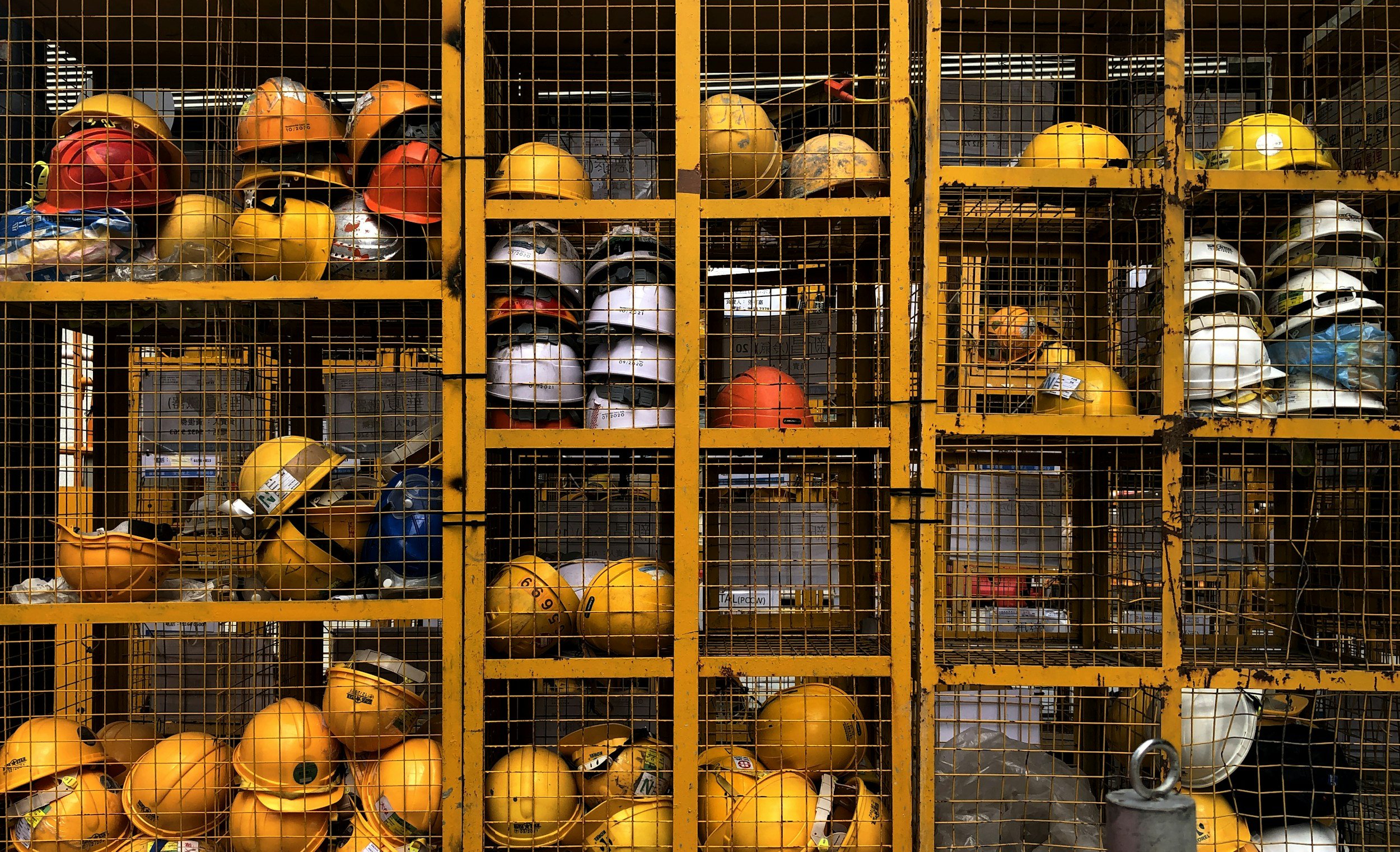
LOTO incidents happen when “normal work” meets unexpected energy. This training covers energy recognition (electrical, hydraulic, pneumatic, gravity, stored energy), isolation verification, group lockout mechanics, shift change controls, and contractor interfaces. We separate “authorized” vs “affected” responsibilities so your program doesn’t collapse into one-size-fits-all rules.If you want the training to land, provide a short list of your common equipment and maintenance tasks—we’ll map the lesson to those examples and deliver a workflow that matches how your team actually locks out equipment.
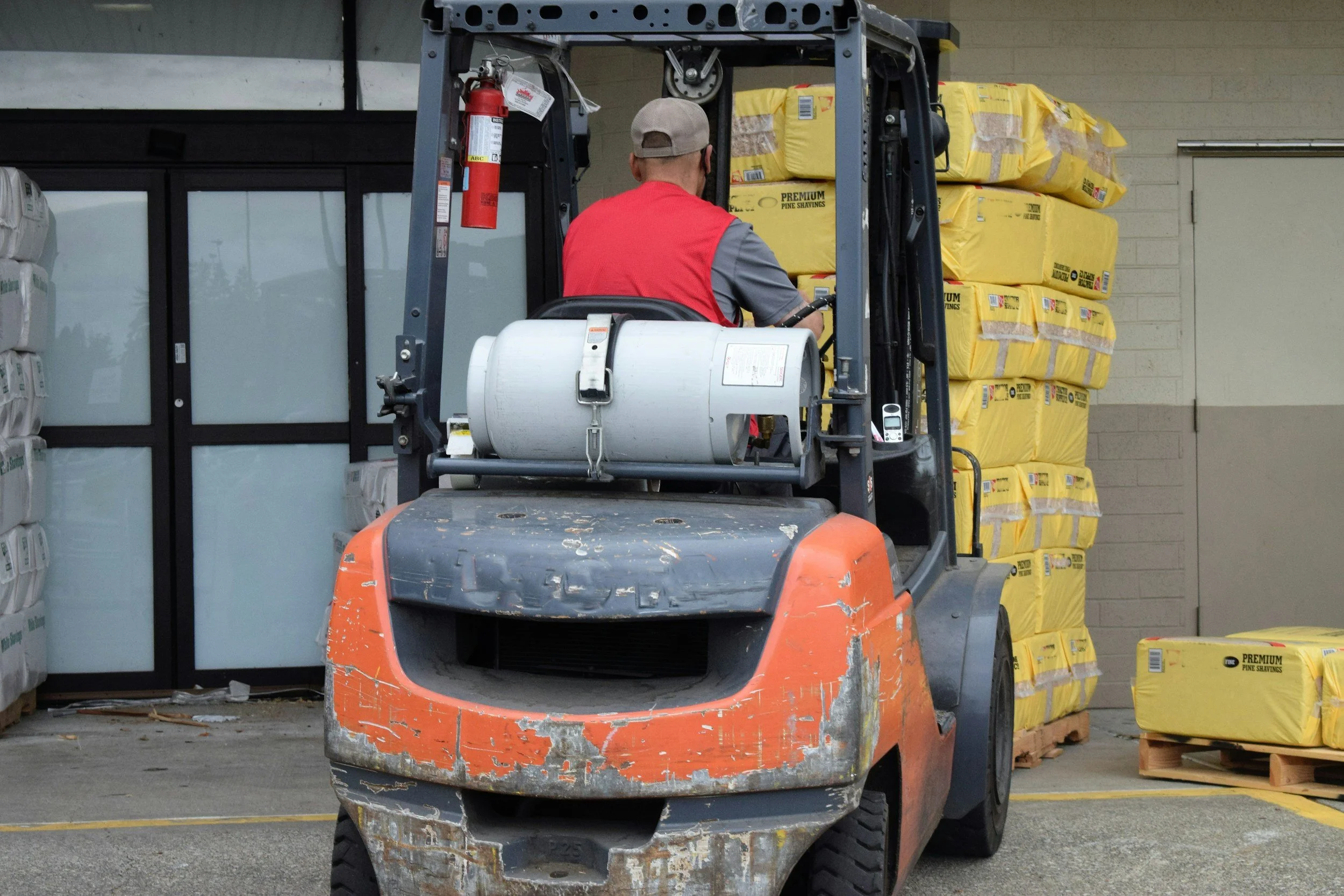
Forklift incidents are usually predictable: speed, visibility, pedestrians, and unstable loads. This training emphasizes stability fundamentals (center of gravity, load charts/data plate limitations), safe travel and stacking, dock edges, ramps, narrow aisles, and the specific hazards of attachments. We also cover daily inspection expectations and refueling/charging controls that reduce damage and downtime.
For compliance, we can include a performance evaluation aligned to your truck types and work conditions, with documentation you can file by operator and by equipment class.
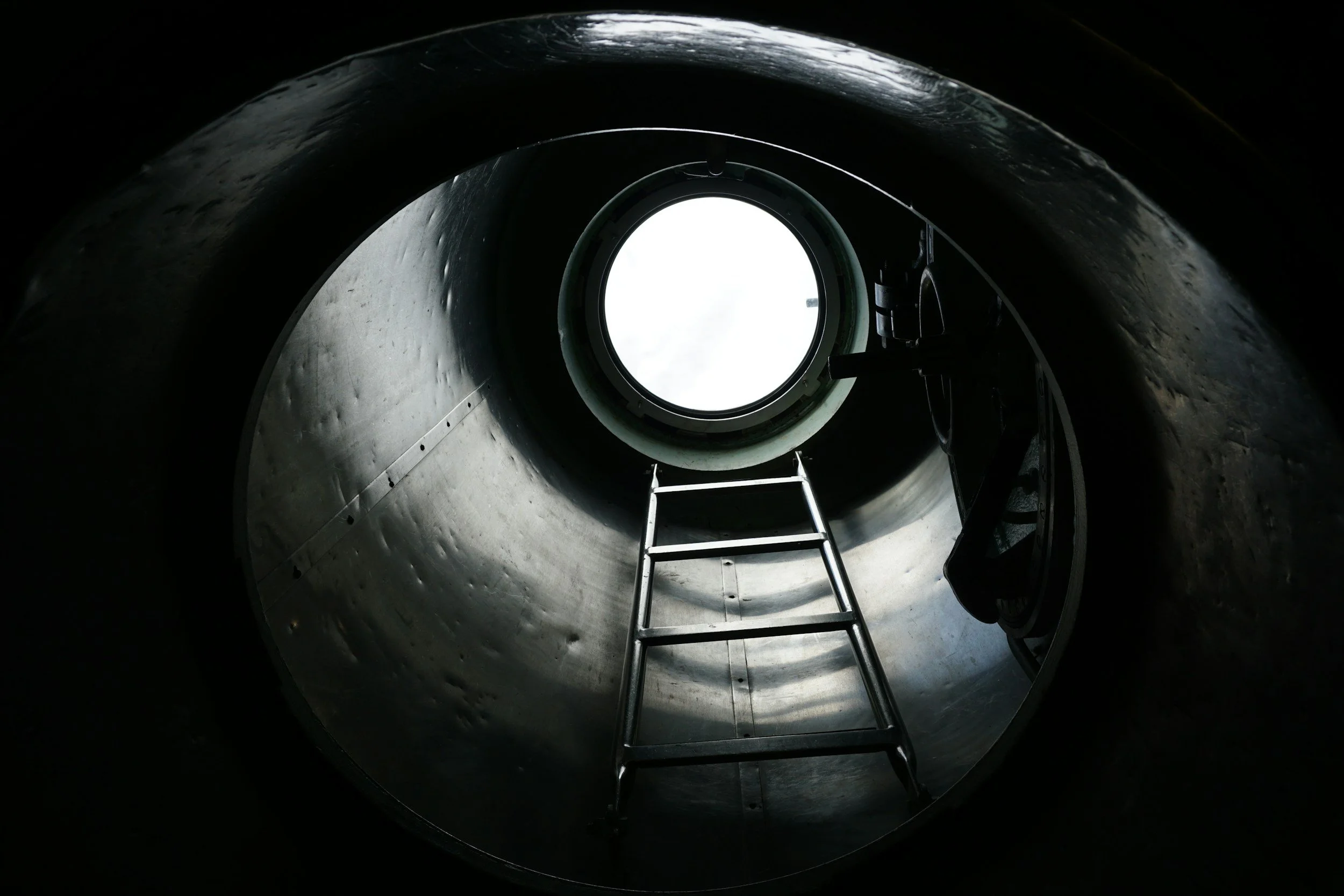
Confined space work fails when roles and rescue assumptions are unclear. This training breaks down the real decision points: when a space becomes “permit,” what triggers atmospheric controls, how to set a monitor plan, and how to run the permit without it turning into paperwork theater. We emphasize contractor coordination, isolations, ventilation, communication, and stop-work criteria—especially in changing conditions. We tailor examples to those spaces and build a simple workflow your team can repeat consistently.
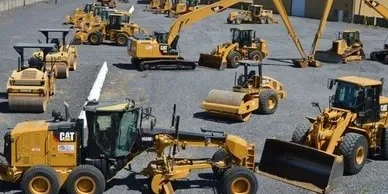
Excavation hazards change fast—so this training is built around daily, field-level decision making. We cover protective systems at a practical level (what’s acceptable, what isn’t), competent person responsibilities, spoil placement, access/egress, water and atmospheric concerns, and how utilities and adjacent structures drive risk. The goal is simple: crews and supervisors recognize when conditions require rework, re-sloping, or a different system before anyone enters.
If you want a stronger field tool, we can provide a jobsite checklist that mirrors the training points and supports daily verification.

HazCom is one of the easiest programs to audit—and one of the easiest to fail—because it depends on access and consistency. We train employees on labels, pictograms, SDS navigation, and exposure controls, then tie it to your real chemical use: where SDS are stored, how secondary containers are labeled, and how new products get approved and introduced. Supervisors also get a practical checklist for verifying the program in the field.
This module is ideal for mixed workforces (maintenance, production, contractors) where chemicals move between areas and responsibility gets blurry.

When a Employer requires On-Site 1926 OSHA 10/30, we deliver Outreach training in formats that fit real schedules—single-day, multi-day, and multi-shift options. We set expectations up front on course requirements, attendance rules, and the documentation you’ll need for owner/client verification. For your team in the Construction field, we’ll recommend the correct track so you don’t end up with the wrong credentials for the site. You’ll receive a clean training record package (roster, agenda, and completion documentation), plus a simple “who should take what” guide for supervisors, new hires, and recurring site access needs.